

Forging a Shared Future Through Global Collaboration

At the ANSO (the Alliance of National and International Science Organizations for the Belt and Road Regions) General Conference on Science and Innovation 2025 in Beijing, which opened on October 28, one message echoed through the halls of international scientific dialogue: no nation can meet today’s global challenges alone.
In an era defined by climate change, biodiversity loss, public health vulnerabilities, and the dual-edged sword of AI, science must transcend borders not just as a tool of discovery, but as a force for equity, resilience, and peace.
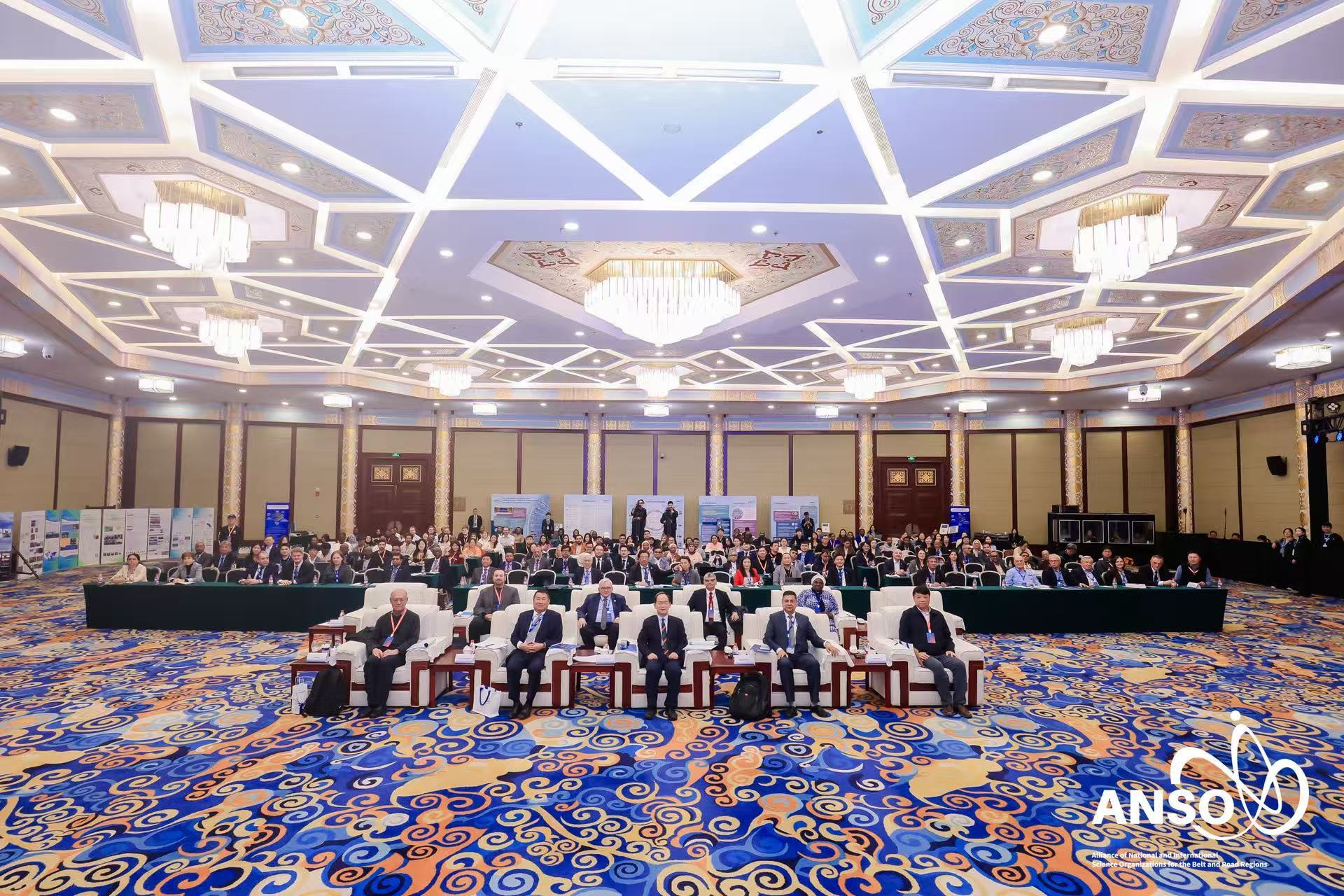
ANSO is a non-profit, non-governmental international organization founded in 2018. Initiated by the Chinese Academy of Sciences (CAS) and 36 other scientific institutions, universities, and international organizations worldwide, ANSO works to strengthen regional and global capacity in science and technology, improve human livelihoods and well-being, and promote broader sci-tech cooperation and communication.
Prof. He Hongping, vice president of ANSOand CAS, set the tone in his welcome address, highlighting CAS’s role as a founding and driving force within the alliance. He pointed out that over 100 collaborative research programs in climate resilience, food security, biodiversity conservation, and green technology have been deployed across developing regions with the support of CAS.
Beyond the numbers, these initiatives reflect a fundamental principle: science and innovation are a co-creative process rooted in mutual capacity building, training, and institutional strengthening. The sponsorship of more than 200 international workshops and scholarship programs for young scientists underscores a long-term investment in human capital, especially in the Global South.
This vision was echoed by Prof. Sukit Limpijumnong, president of ANSO and director-general of the National Science and Technology Development Agency(NSTDA). “Our core belief,” he stated, “is that science thrives on exchange, and its greatest impact emerges when we listen, learn, and act together — especially for regions grappling with resource gaps.”
From digital agriculture to climate-resilient infrastructure, ANSO’s mission to build an open, inclusive platform for global scientific collaboration has never been more urgent. Sukit’s call to turn ideas into tangible progress resonated throughout the conference: “Together, we can deliver science-based solutions to pressing challenges, guide emerging technologies toward shared benefit, and get the (UN) Sustainable Development Goals back on track, not only for this generation, but for future generations who count on us.”
Prof. Helena B. Nader, vice president of ANSO and president of the Brazilian Academy of Sciences, delivered a powerful video message, underscoring the timeliness of the conference theme: Science and Innovation for a Sustainable Future.
“We live in an era marked by interdependence,” she said. “The challenges we face — climate change, biodiversity loss, health crises, energy transitions, and the rapid rise of AI — do not respect borders. They are global in nature, and they require global cooperation to be effectively addressed. Science diplomacy, therefore, is not a luxury. It is a necessity.”
From the perspective of the Global South, she added, this principle carries even greater weight. “Cooperation must not only generate knowledge; it must also build capacity, strengthen institutions, and empower young scientists everywhere to contribute to global progress. ANSO’s initiatives in training, exchange, and joint research are powerful examples of how we can democratize science and innovation.”
The founding spirit of ANSO was recalled by Prof. Bai Chunli, founding president of ANSO. With humility and foresight, he reminded the audience that while there are no simple answers to complex global challenges, there is a path forward: “through dialogue, shared insight, and clear roadmaps.”
He emphasized that “science and innovation play a key role, not just in driving economic growth and social development, but also in addressing all the complex challenges of our times, especially the escalating contradictions between humanity and nature.”
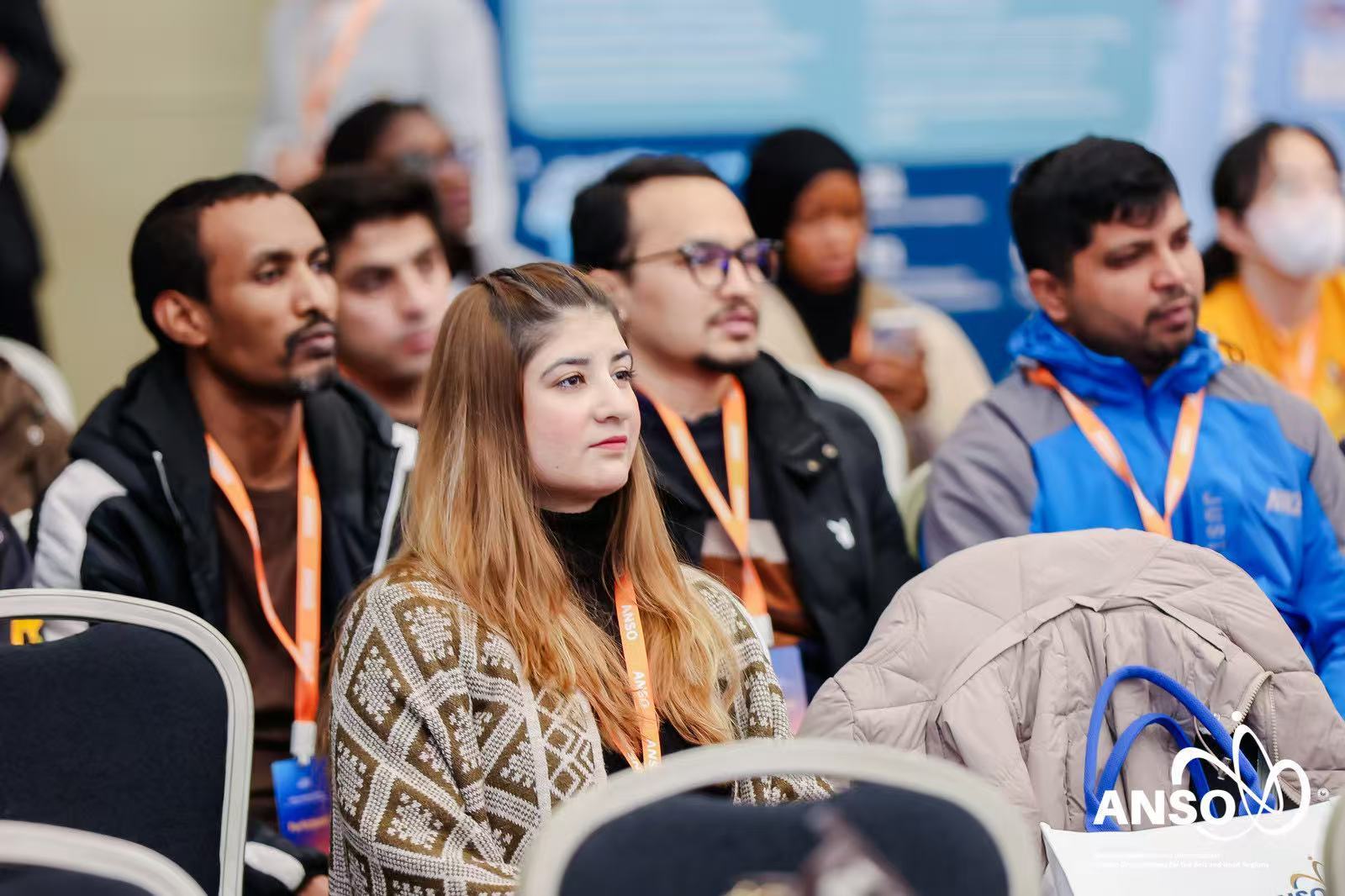
Prof. Shahbaz Khan, director of UNESCO's Regional Office for East Asia, affirmed UNESCO’s commitment to a future where science and technology serve as global public goods, with capacity building and ethical governance at their core.
“In this spirit,” he said, “ANSO is playing a vital role in uniting science institutions across the Belt and Road countries and beyond. It is creating an effective platform for joint research, knowledge exchange, and scientific mobility.” UNESCO, he added, stands ready to deepen collaboration with ANSO and all partners represented at the two-day event.